
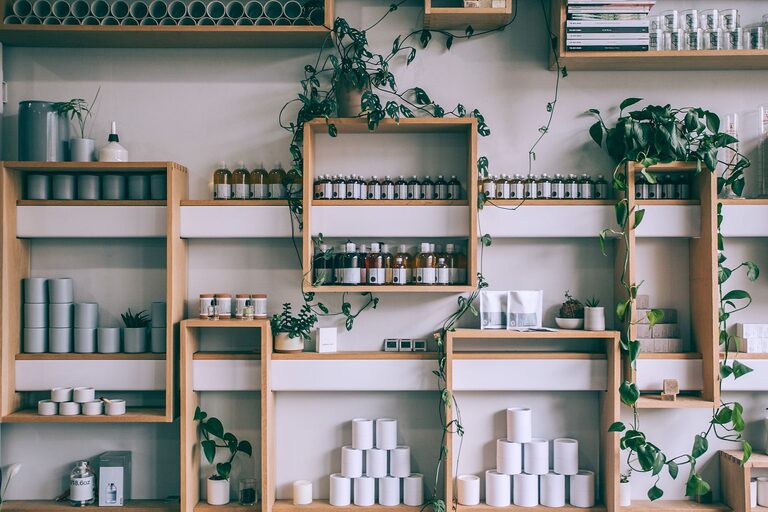
Living in a small home does not mean you have to live with constant clutter. The key is to use the space you already have more thoughtfully. Look for overlooked areas, choose furniture that serves more than one purpose, and make everyday items easy to reach.
The best small space storage ideas are practical, affordable, and simple to maintain. Here are effective ways to organize every room without making your home feel crowded.
Start by Clearing the Clutter
Before buying storage products, take a close look at what you own. Storage works best when it holds items you actually use.
Sort your belongings into four groups:
– Keep and use regularly
– Keep but store seasonally
– Donate or give away
– Recycle or discard
Do not try to organize everything at once. Start with one drawer, shelf, or corner. A small project is easier to finish and can show you what kind of storage you really need.
Once you have removed unused items, group similar things together. For example, keep cleaning supplies in one area, baking tools together, and spare linens in the same space. Grouping items makes it easier to choose the right containers and find things later.
Use Vertical Space
When floor space is limited, look up. Walls, doors, and the upper sections of closets can provide valuable storage.
Install floating shelves in areas that are often ignored, such as:
– Above a desk
– Over a toilet
– Beside a bed
– Above a kitchen counter
– Behind a sofa
Floating shelves are useful for books, baskets, framed photos, and everyday supplies. To keep them from looking crowded, leave some open space and avoid filling every inch.
Tall bookcases and narrow shelving units can also make use of vertical space without taking up much floor area. Choose a unit that reaches close to the ceiling, and place less-used items on the highest shelves.
Make the Most of Doors
Doors offer hidden storage opportunities throughout the home. An over-the-door organizer can hold shoes, cleaning products, pantry items, hair tools, or small accessories.
In a bedroom closet, use a door organizer for:
– Belts and scarves
– Handbags
– Small shoes
– Hats
– Folded clothing
A bathroom door can hold toiletries, extra toilet paper, or hair care products. In the kitchen, a slim rack mounted on the inside of a cabinet door can store cutting boards, pot lids, or measuring spoons.
Choose door storage carefully. Make sure the door can close fully and that the added weight does not strain the hinges.
Choose Furniture With Built-In Storage
In a small room, every piece of furniture should work hard. Storage furniture can reduce clutter while serving its main purpose.
Useful options include:
– Ottomans with removable lids
– Beds with drawers underneath
– Benches with hidden compartments
– Coffee tables with shelves
– Desks with built-in drawers
– Storage headboards
A storage ottoman can hold blankets, books, or board games while providing extra seating. A bed with drawers can replace a separate dresser in a small bedroom. If replacing furniture is not practical, use containers that fit beneath existing beds and sofas.
Before buying a storage piece, measure the available area. Check its width, depth, and height, and leave enough room to open drawers or walk around it.
Improve Closet Storage
Small closets often become difficult to use because clothing is packed too tightly. A few simple changes can make the space much more efficient.
Start by using matching slim hangers. They take up less room than bulky hangers and create a more consistent look. Arrange clothing by type, then by color if that helps you find items quickly.
Add a second hanging rod for shorter clothing, such as shirts and folded pants. This can double the amount of hanging space without expanding the closet.
Other helpful additions include:
– Shelf dividers for bags and sweaters
– Clear boxes for shoes
– Small bins for accessories
– Hooks for belts and scarves
– Pullout baskets for folded clothing
Store seasonal clothing in labeled containers on the highest shelf or under the bed. Rotate items when the weather changes so your everyday wardrobe stays easy to reach.
Organize the Kitchen by Frequency of Use
A small kitchen becomes easier to manage when frequently used items stay within reach and rarely used items move to less accessible areas.
Keep everyday plates, glasses, and cooking tools near the places where you use them. Store special serving pieces, extra appliances, and seasonal items on higher shelves or in deeper cabinets.
Use cabinet risers to create an extra level for plates, bowls, or cans. Add a narrow sliding shelf between cabinets or appliances for spices, oils, and sauces. A pegboard on an open wall can hold cooking utensils while keeping the counter clear.
Inside drawers, use dividers to separate:
– Utensils
– Measuring tools
– Food storage items
– Kitchen towels
– Small gadgets
Use clear containers for pantry staples when possible. They make it easier to see what you have and prevent duplicate purchases. Label containers with simple names, especially when several ingredients look similar.
Create Order in the Bathroom
Bathrooms often have limited cabinets and many small items. Use vertical and hidden storage to keep surfaces clear.
A slim rolling cart can fit between a sink and wall or beside a toilet. Use the shelves for towels, toilet paper, and daily toiletries. Wall-mounted cups or small baskets can hold toothbrushes, makeup, or hair accessories.
Inside the vanity, stackable bins help separate cleaning supplies, personal care products, and spare items. A shallow tray can keep frequently used products together instead of scattered across the counter.
Use hooks instead of towel bars when wall space is limited. Hooks take up less room and make it easier to hang robes, towels, or toiletry bags.
Use Small Containers in Large Drawers
Deep drawers can become messy when small items are mixed together. Instead of letting everything collect in one pile, add smaller containers or adjustable dividers.
This works well for:
– Office supplies
– Socks and undergarments
– Batteries and cables
– Craft materials
– Pet supplies
– Tools
You do not need expensive organizers. Small boxes, recycled containers, and sturdy food storage tubs can work just as well. Measure the drawer first, and choose containers that leave enough room for the drawer to open smoothly.
Keep Cables and Electronics Under Control
Cables can make a small space look untidy very quickly. Gather chargers and cords by category, then store them in labeled pouches or small boxes.
Use cable clips to guide cords along the back of a desk or nightstand. A cable box can hide a power strip while keeping wires together. Label each charger so you do not have to test several cables to find the right one.
Avoid storing electronics in deep, unmarked bins. Keeping similar items together and visible makes them easier to use and maintain.
Use a Simple Maintenance Routine
Even the best storage system will not work if it is difficult to maintain. Make each item easy to put away, and avoid creating systems with too many steps.
Try these habits:
– Return items after using them
– Keep a donation bag in a closet
– Spend five minutes resetting one room each evening
– Review storage areas once a month
– Remove one unused item whenever you add something new
The goal is not to create a perfect home. It is to make your space easier to use every day. By combining vertical storage, multipurpose furniture, smart containers, and regular decluttering, you can create a home that feels more open without adding more square footage.