
Self-care does not need to involve expensive products, spa visits, or a packed schedule. Often, the most helpful habits are simple activities that help you slow down, recharge, and make space for what you enjoy.
A low-cost self-care routine can look different for everyone. You may want a quiet evening, a creative project, a little movement, or time to connect with someone you care about. The goal is not to create another list of tasks. Instead, choose small activities that feel pleasant and realistic for your everyday life.
Create a Relaxing Home Atmosphere
Your surroundings can influence how comfortable and relaxed you feel. You do not need to redecorate your home to create a calmer space. A few small changes can make a noticeable difference.
Try these simple ideas:
– Tidy one small area, such as a bedside table or reading chair.
– Open a window for fresh air when the weather allows.
– Use a lamp instead of bright overhead lighting.
– Play quiet music or natural background sounds.
– Arrange a blanket, book, or favorite mug in a comfortable corner.
– Add a few personal items that make the space feel welcoming.
Focus on one area rather than trying to organize an entire room. A small, finished task can feel more satisfying than an ambitious project that becomes overwhelming.
Enjoy a Simple At-Home Spa Evening
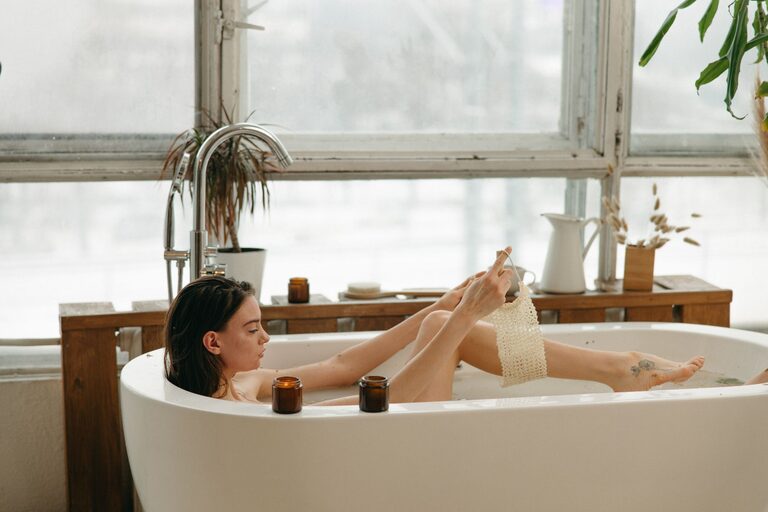
A relaxing personal care routine can be an easy way to mark the end of a busy day. You can create a spa-like feeling using items you already have.
Start with a warm shower or bath, if that is comfortable for you. Put on clean, comfortable clothes afterward. You might also:
– Wash your face using your usual products.
– Soak your feet in warm water.
– Apply hand lotion or moisturizer.
– Wrap yourself in a clean towel or robe.
– Make a warm, caffeine-free drink.
– Spend a few quiet minutes without your phone.
The purpose is not to follow a perfect routine. Even one or two calming steps can help you transition from work or chores into a more restful part of the day.
Try Gentle Movement
Movement can be a useful form of self-care, especially when it helps you feel more comfortable and energized. It does not need to be intense or time-consuming.
Consider a short activity such as:
– Stretching while listening to music
– Walking around your home
– Dancing to two or three favorite songs
– Following a free beginner movement video
– Doing light household tasks at a relaxed pace
– Practicing simple balance or mobility exercises
Choose activities that suit your energy level and comfort. If you have been sitting for a long time, even a few minutes of gentle movement can provide a welcome change.
Make Time for a Creative Hobby
Creative activities can help you focus on the present moment and enjoy the process of making something. You do not need special equipment or advanced skills.
Here are a few low-cost options:
– Draw with a pencil or pen.
– Write a short story, poem, or personal reflection.
– Color in a coloring book or create your own patterns.
– Rearrange photos into a small album.
– Try a simple craft using recycled materials.
– Cook or bake a familiar recipe.
– Make a playlist for a particular mood or activity.
– Learn a few basic phrases in a language you find interesting.
Avoid judging the result too quickly. Self-care creativity is about enjoyment, curiosity, and expression rather than producing something perfect.
Practice a Quiet, Screen-Free Break
Screens can be useful for entertainment and connection, but taking a short break may help you feel more settled. Set aside 10 to 30 minutes for an activity that does not involve a phone, computer, or television.
You could:
– Read a book or magazine.
– Sit near a window and watch the weather.
– Write down thoughts or ideas.
– Complete a puzzle.
– Drink a beverage slowly and mindfully.
– Listen to music without multitasking.
– Spend a few minutes noticing sounds around you.
If a full screen-free evening feels unrealistic, start with a short break during the day. Small changes are easier to maintain and can become a regular part of your routine.
Refresh Your Favorite Room
A change of setting can make an ordinary day feel more enjoyable. Refreshing a room does not have to mean buying new furniture or decorations.
Try moving a chair closer to natural light, changing the arrangement of a few items, or clearing a surface. You could also rotate books, display a favorite object, or use a clean tablecloth to give a familiar space a different feel.
Another simple idea is to create a dedicated comfort station. Place a book, notebook, water bottle, blanket, or hobby supplies in one easy-to-reach location. Having these items ready can make it easier to choose a relaxing activity.
Connect With Someone You Trust
Self-care can include meaningful connection. A quick conversation may lift your mood or help you feel less isolated.
Low-cost ways to connect include:
– Calling a friend or family member.
– Sending a thoughtful message.
– Sharing photos from your day.
– Cooking the same meal while talking on a video call.
– Playing an online or tabletop game.
– Writing a letter or postcard.
– Planning a future walk, coffee visit, or shared activity.
You do not need to have a major update to reach out. A simple message such as “I was thinking of you” can be enough to begin a conversation.
Build a Small Self-Care Menu
It can be difficult to decide what you need when you are tired. Create a short list of activities for different energy levels so you have ready-made options.
When you have five minutes
– Take a few slow breaths.
– Make a glass of water or a warm drink.
– Stretch your shoulders and hands.
– Put away five items.
– Step outside or look out a window.
When you have 30 minutes
– Take a shower.
– Read a chapter of a book.
– Prepare a simple meal.
– Try a creative activity.
– Call someone you care about.
When you have an hour or more
– Cook a new recipe.
– Rearrange a small room.
– Enjoy a longer hobby session.
– Watch a favorite film with a homemade snack.
– Plan the week in a calm, unhurried way.
Keep Self-Care Simple and Personal
The best self-care routine is one you can actually enjoy and repeat. You do not need to follow trends or copy someone else’s habits. Pay attention to activities that leave you feeling calmer, more comfortable, refreshed, or connected.
Start with one small idea this week. Set aside a realistic amount of time, gather anything you need, and let the activity be enough on its own. With a little creativity, home can become a supportive place for rest, enjoyment, and everyday renewal.