
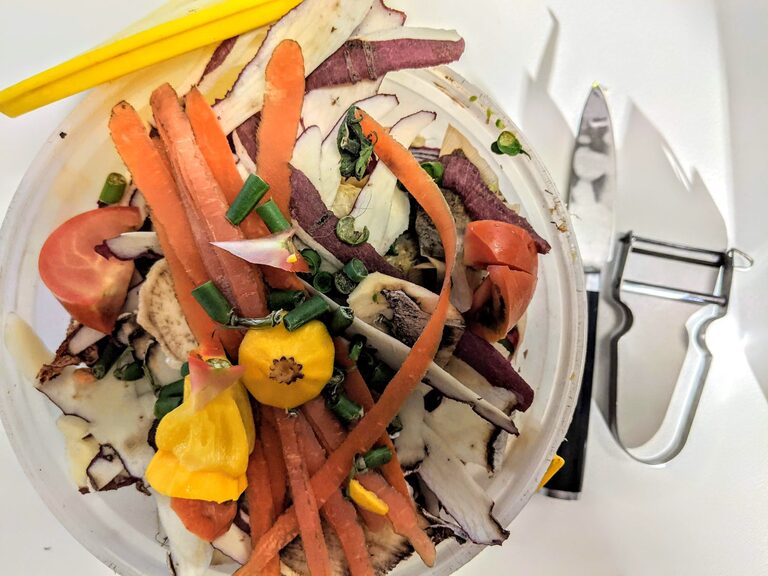
Composting is a simple way to turn food scraps and yard waste into a useful soil amendment. Instead of sending organic materials to the landfill, you can recycle them at home and create compost for gardens, flower beds, houseplants, or lawns.
Starting a compost pile may seem complicated, but the basic process is easy. With the right container, a balanced mix of materials, and a little patience, beginners can build a healthy compost system in almost any home.
What Is Composting?
Composting is the natural breakdown of organic materials, such as fruit peels, leaves, and grass clippings. Tiny organisms, including bacteria and fungi, feed on these materials and gradually transform them into dark, crumbly compost.
Finished compost often looks like rich soil and has an earthy smell. It can help improve soil structure, support plant growth, and retain moisture.
Composting is also a practical way to reduce household waste. Many everyday items that would otherwise go in the trash can become part of a compost pile.
Choose the Right Composting Method
Before collecting scraps, decide which composting method works best for your home and available space.
Outdoor compost bin
An outdoor bin is a good choice if you have a yard, patio, or garden. You can purchase a ready-made bin or build a simple enclosure from wood or wire.
Look for a location that is:
– Convenient to reach
– Well-drained
– Partly shaded
– Protected from strong winds
– Close to a water source
A compost pile should sit on bare soil when possible. This allows helpful organisms and worms to move into the pile and supports drainage.
Indoor collection container
Even if you do not have space for an outdoor pile, you can collect kitchen scraps in a small container and take them to a community composting site. Choose a container with a secure lid and empty it regularly to prevent odors.
Some households also use a worm bin, often called vermicomposting. Worm bins are compact and can work indoors or outdoors, but they require a little extra care and the right type of worms.
Learn the Two Main Types of Compost Materials
A healthy compost pile needs a balance of “green” and “brown” materials. These names describe the role of the materials, not necessarily their color.
Green materials
Green materials are generally rich in nitrogen. They help microorganisms grow and break down the pile.
Common examples include:
– Fruit and vegetable scraps
– Coffee grounds and paper filters
– Fresh grass clippings
– Young weeds without seeds
– Fresh plant trimmings
– Small amounts of leftover grains
Brown materials
Brown materials are generally rich in carbon. They add structure and help air move through the pile.
Common examples include:
– Dry leaves
– Small twigs
– Shredded plain cardboard
– Plain paper
– Untreated wood chips
– Straw
– Dry plant stems
A simple beginner guideline is to use about two or three parts brown materials for every one part green material by volume. You do not need to measure every addition exactly. If the pile smells bad or becomes wet and dense, add more brown material. If it stays dry and breaks down slowly, add a little more green material and moisture.
Start With a Good Base
Begin your pile with a layer of coarse brown materials, such as small twigs or dry stems. This creates air spaces at the bottom and helps excess water drain away.
Next, add alternating layers of brown and green materials. Cover fresh food scraps with a layer of leaves, shredded paper, or cardboard. This can reduce odors and discourage pests.
Avoid creating a large layer of one material. Mixing different materials helps the pile break down more evenly.
Keep the Pile Moist but Not Wet
Moisture is essential because microorganisms need water to work. However, an overly wet compost pile can become compacted, smelly, and low in oxygen.
Aim for the moisture level of a wrung-out sponge. When you squeeze a handful of material, it should feel damp but should not release a stream of water.
If the pile is too dry:
– Add a small amount of water
– Mix in fresh green materials
– Cover the pile during very dry weather
If the pile is too wet:
– Add dry leaves, shredded cardboard, or straw
– Turn the materials to improve airflow
– Check that the bin has proper drainage
It is better to add moisture gradually than to soak the entire pile.
Provide Plenty of Air
Composting works best when air can move through the materials. Without enough oxygen, the pile may develop a strong unpleasant smell.
Turn the pile every week or two using a garden fork or compost aerator. Move the materials from the outside toward the center and loosen any compacted areas.
You do not need to turn the pile every day. Regular mixing is helpful, but a compost pile can still break down if turned less frequently. A balanced pile with good airflow will usually require less maintenance.
Know What to Add
Many plant-based materials can go into a home compost pile. Good options include:
– Vegetable peels and fruit scraps
– Apple cores and banana peels
– Coffee grounds
– Tea leaves or plain tea bags without plastic parts
– Eggshells, crushed into small pieces
– Leaves and grass clippings
– Plain shredded paper
– Uncoated cardboard
– Small amounts of stale bread or cooked grains
Cutting large scraps into smaller pieces can speed up decomposition. For example, chop thick stems and tear cardboard into smaller sections before adding them.
Know What to Leave Out
Some materials can attract pests, create odors, or introduce unwanted chemicals into the compost. Avoid adding:
– Meat, fish, and bones
– Dairy products
– Greasy or oily foods
– Pet waste
– Diseased plants
– Weeds with mature seeds
– Coal or charcoal ash
– Glossy or heavily coated paper
– Treated or painted wood
Some compost systems can handle meat or dairy, but these materials are usually not recommended for beginner backyard piles. Check local guidance if you are using a specialized composting system.
When adding grass clippings, mix them with dry brown materials. A thick layer of fresh grass can become wet, compacted, and unpleasant.
Troubleshoot Common Compost Problems
Bad smell
A strong odor often means the pile is too wet or lacks air. Add dry brown materials and turn the pile thoroughly. Covering food scraps with leaves or cardboard can also help.
The pile is not breaking down
A pile may decompose slowly if it is too dry, too cold, or made mostly of large pieces. Add moisture, mix the materials, and cut large items into smaller pieces.
The pile is attracting pests
Bury food scraps in the center of the pile and cover them with brown materials. Use a secure bin with a lid, and avoid adding meat, dairy, or oily foods.
The pile is too hot
Warmth is a normal part of active composting. If the pile becomes very hot or dry, turn it and check its moisture level. A smaller household pile may warm up briefly and then cool down without any problem.
Know When Compost Is Ready
Finished compost is usually dark brown, crumbly, and earthy-smelling. Most original materials should no longer be recognizable, although small twigs or eggshell pieces may remain.
Depending on the materials, temperature, moisture, and turning schedule, compost can take several months to a year. Do not worry if the process takes time. Composting is a natural cycle, not a race.
Use finished compost by mixing a thin layer into garden soil, spreading it around established plants, or adding it to potting mixtures. Avoid planting directly in pure compost, since it is often too rich and dense for some plants.
Make Composting a Simple Habit
The easiest way to stay consistent is to keep a small kitchen container near where you prepare food. Empty it regularly and add a layer of brown material to your outdoor bin each time you add scraps.
Start with manageable amounts, observe how your pile behaves, and make small adjustments. Composting becomes easier with practice, and even a modest household system can turn everyday waste into something useful for your garden.